
Introduction
This morning, I posted on social media about the extreme heat wave that the Vancouver area will be having over the weekend, with temperatures hitting as high as 40°C or higher, which is almost 105°F. One of the people that follows me on social media mentioned the risk of leaving clear water bottles in a car on a hot sunny day. I had read about this in previous years but never thought much about it, as I always parked in a garage.
Sunlight, Water Bottles, and Vehicle Risks
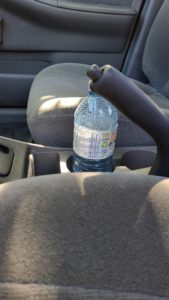
WATER BOTTLE REMOVED FROM VEHICLE TO PREVENT FIRE RISK
Since my car was currently out on the street and I remembered that I had a partly filled water bottle in it, I went out to remove it. Sunlight passing through the windshield and then through the water in the bottle can act like a magnifying glass. While there is a risk of burn marks to the interior of a vehicle and smoldering as a result of this light magnification, reports of full-blown vehicle fires are unheard of, although theoretically possible.
What is well-established, however, is that there are over 600 deaths per year in the US as a result of extremely hot weather [1].
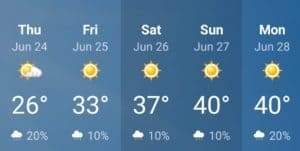
FORECAST FROM THE WEATHER NETWORK
Extreme Heat and Vulnerable Populations
Extreme heat is defined as summer temperatures that are much hotter and/or humid than average [1]. While extreme heat makes people of all ages more prone to getting dehydrated, infants under the age of 4 and adults over the age of 65 are especially at risk [1].
As people age, the amount of available water in their body decreases largely as a result of having decreased lean body mass (muscle). This condition, known as sarcopenia, is the loss of muscle as people age. Since muscle holds more water than fat, retaining muscle mass has the added benefit of helping older people stay adequately hydrated.
NOTE: Be sure to read the following post regarding protein intake in older adults and the importance of ensuring adequate intake of the amino acid leucine.
Gender Differences in Body Water Composition
Women are at higher risk of becoming dehydrated in the heat than men of the same age because men generally have a higher amount of muscle and therefore a higher percentage of body water. The following table lists the average percentage of water in the body according to age and gender [2].
| Group | Age 12—18 years | Age 19—50 years | Age 51+ years |
|---|---|---|---|
| Male | Avg: 59% (52—66%) | Avg: 59% (43—73%) | Avg: 56% (47—67%) |
| Female | Avg: 56% (49—63%) | Avg: 50% (41—60%) | Avg: 47% (39—57%) |
Age-Related Physiological Challenges
Older adults are often less aware of dehydration because the feeling of thirst decreases with age [3]. Furthermore, kidney function decreases with age, and the hormonal response to dehydration may be impaired [4]. Other factors include uncontrolled diabetes, which can cause increased urination, or the effect of medications such as diuretics for high blood pressure.
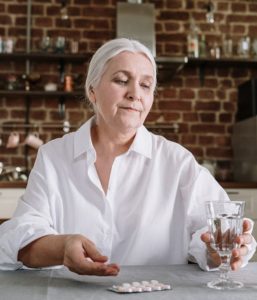
OLDER ADULTS SHOULD BE ENCOURAGED TO DRINK EVEN WHEN NOT THIRSTY
Identifying and Preventing Dehydration
Symptoms of dehydration in the elderly may include dizziness, light-headedness, or dark-colored urine. Serious symptoms include confusion, disorientation, or vomiting. Severe dehydration can result in hypovolemic shock due to low blood volume or seizures if electrolyte balance (sodium and potassium) is lost.
Final Thoughts…
A heat wave is an excellent time to check on aging parents or neighbors. Consider bringing sparkling water or unsweetened flavored sodas to encourage fluid intake and ensure they have adequate cooling, such as a safely positioned fan. These small actions can make a significant difference during extreme heat events.
More Info
Learn about me and the Comprehensive Dietary Package that I offer.
To your good health!
Joy
You can follow me on:
Twitter: https://twitter.com/jyerdile
Facebook: https://www.facebook.com/BetterByDesignNutrition/
References
- Centers for Disease Control and Prevention. Natural Disasters and Severe Weather: Extreme Heat. 2021. [https://www.cdc.gov/disasters/extremeheat/index.html]
- Institute of Medicine. Dietary Reference Intakes for Water, Potassium, Sodium, Chloride, and Sulfate. Chapter 6: Water. Washington, DC: The National Academies Press; 2005. doi:10.17226/10925 [https://nap.nationalacademies.org/read/10925/chapter/6]
- Picetti D, Foster S, Pangle AK, et al. Hydration health literacy in the elderly. Nutr Healthy Aging. 2017;4(3):227-237. doi:10.3233/NHA-170026 [https://content.iospress.com/articles/nutrition-and-healthy-aging/nha170026]
- British Nutrition Foundation. Dehydration in older people. 2021. [https://www.nutrition.org.uk/life-stages/older-adults/dehydration-in-older-people/]

© 2025 BetterByDesign Nutrition Ltd.

Joy is a Registered Dietitian Nutritionist and owner of BetterByDesign Nutrition Ltd. She has a postgraduate degree in Human Nutrition, is a published mental health nutrition researcher, and has been supporting clients’ needs since 2008. Joy is licensed in BC, Alberta, and Ontario, and her areas of expertise range from routine health, chronic disease management, and digestive health to therapeutic diets. Joy is passionate about helping people feel better and believes that Nutrition is BetterByDesign©.