
Introduction
Not all carbohydrate foods (“carbs”) are created equal. Some are broken down very quickly into simple sugars, while others are broken down very slowly. In the past, the terms “simple sugar” and “complex carbohydrate” were used to imply this concept. There are newer terms that enable us to know how much eating these foods will raise blood glucose in healthy people. The “in healthy people” is important, as the ability to tolerate carbohydrate in those with insulin resistance (“pre-diabetes”) or type 2 diabetes is significantly affected.
Glycemic Index
The Glycemic Index (GI) is a way of rating carbohydrates based on their ability to raise blood sugar. Low GI foods (those with a value of 55 or less) are more slowly digested, absorbed and metabolized and cause a lower and slower rise in blood glucose levels, and very high GI foods (>70) are digested very rapidly, causing a large spike in blood sugar. High GI foods (>55) result in a fairly rapid rise in blood sugar.
Many foods that people eat a lot of in our society, such as bread, rice, pasta and cereal, even vegetables, are high GI foods. When healthy people eat these foods on a regular basis, they put a high demand on their bodies to produce and release insulin to bring all that glucose into their cells. Insulin is released from the beta cells of the pancreas, so people who frequently eat high GI foods result in their beta cells releasing insulin multiple times all day. Over time, this frequent demand on the beta cells results in the cells throughout their body becoming insulin-resistant. That is, they no longer respond to insulin’s signal, so more and more insulin is released, which over time can burn out their beta cells, resulting in type 2 diabetes.
Type 2 Diabetes as Beta Cell Dysfunction
By the time most people are diagnosed with type 2 diabetes, they already have beta cell dysfunction for a long time, and have a certain amount of beta cell death or a decrease in beta cell mass. Once beta cells die, they’re gone. Our once healthy body is no longer healthy.
When we eat foods with significant carbohydrates, especially high GI carbohydrates, our ability to release insulin is significantly impacted, and in time, we are no longer able to tolerate carbs like we used to. The length of time that someone had type 2 diabetes before they were diagnosed, or how long they had it before they changed their eating habits, will factor into how much carbohydrate they can handle. For this reason, each person’s carbohydrate tolerance is different.
Carbs aren’t Inherently “Bad”
It’s not that carbs are inherently “bad”. It’s that our bodies are no longer able to process some of them the way we could when we were still healthy. In these cases, the sugar stays in the blood longer than it would if insulin were working well, and this can damage tissues throughout the body.
Knowing which carbs are high GI is important, because these are the foods that tax our already overtaxed beta cells if we are not Diabetic and limiting these foods significantly, or avoiding may be the best way for healthy people to remain healthy.
The good news is that there are some types of carbohydrates that some people can not only tolerate, but may actually improve their blood sugar control, and that’s the topic of an upcoming article.
How the GI of a Food is Determined
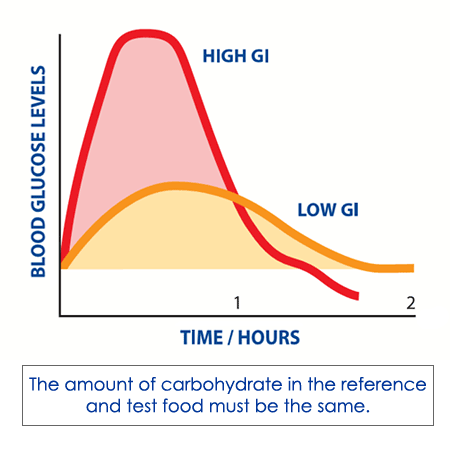
The GI value of a food is determined by feeding a group of healthy people the amount of a food that contains 50 grams of digestible (available) carbohydrate and then measuring the effect on their blood glucose levels over the next two hours. The area under their two-hour blood glucose response (glucose AUC) for this food is then measured.
At another time, the same group of healthy people eat 50 grams of glucose (which is the reference food) and their two-hour blood glucose response is also measured.
The GI value for the test food is calculated for each person in the group by dividing their glucose AUC for the test food by their glucose AUC.
The final GI value for the test food is the average GI value all the people in the group.
Too Much of a ‘Good’ Thing
Many of the foods that people in the West enjoy and eat a lot, such as bread, rice and noodle,s are High GI foods – these are ones that are rated at ≥ 55 (compared to pure glucose, which is rated at 100).
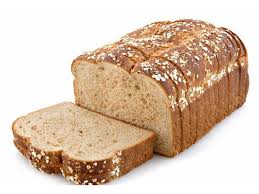
White bread has a GI of 75 ± 2, and whole wheat bread isn’t much better, at 74 ± 2.

Boiled white rice is high GI at 73 ± 4, and while somewhat better, boiled brown rice is still high GI at 68 ± 4.

White spaghetti has a GI of 49 ± 2, and whole grain spaghetti has a GI of 48 ± 5.
 Rice noodles, such as those in Pho (Vietnamese Beef Noodle soup), are even higher, at 53 ± 7.
Breakfast cereals, whether boxed or cooked, are also high GI. Here is a table that summarizes some of these [1];
| BREAKFAST CEREALS | Glycemic index (glucose = 100) |
| Cornflakes | 81 ± 6 |
| Wheat flake biscuits | 69 ± 2 |
| Porridge, rolled oats | 55 ± 2 |
| Instant oat porridge | 79 ± 3 |
| Muesli | 57 ± 2 |
Many people include vegetables such as potatoes, sweet potatoes and squash, such as pumpkin, in their “vegetable quota” for the day, but let’s look at the Glycemic Index for these;
| VEGETABLES | Glycemic index (glucose = 100) |
| Potato, boiled | 78 ± 4 |
| Potato, instant mash | 87 ± 3 |
| Potato, French fries | 63 ± 5 |
| Carrots, boiled | 39 ± 4 |
| Sweet potato, boiled | 63 ± 6 |
| Pumpkin, boiled | 64 ± 7 |
People in our culture eat a lot of bread, rice, pasta, starchy vegetables and cereal, but eating them with a good source of protein slows down how quickly they affect blood sugar. Oftentimes, bread and cereal form the basis of breakfast, perhaps with a high GI glass of juice and frequently, people eat pasta with a tomato sauce for supper (or leftovers for lunch), and this kind of meal will spike their blood sugar. We also know that the fibre content of a mixed meal will also slow down the rate at which blood sugar rises from these carbs, so there are ways to ‘tone down’ the response.
Some Final Thoughts…
If you have a family history of type 2 diabetes, are overweight or have high blood sugar, it’s important to understand that what you eat matters and to eat in a way that does not put high demand on your beta cells to keep releasing insulin to process all that glucose.
The time to consider the effect on your body is now – before you get sick by having overtaxed your pancreas’ beta cells and experience beta cell death or mass loss, and are diagnosed with Type 2 Diabetes.
Once we’ve crossed that threshold, once our once healthy body is no longer healthy, we need to learn to eat in a way that does not put high demand on our beta cells, that does not require our body to process large amounts of glucose at a time, to preserve whatever beta cell mass and function we have left.
Determining which carb-containing foods we can tolerate and in what quantities will enable us to eat in a way that keeps us from getting worse and keeps us from developing the very serious consequences of not doing so, which can include blindness, toe and foot amputations and more.
In coming articles, I’ll explain Glycemic Load and the Insulin Index, and I’ll also touch on the role for legumes (pulses) such as chickpeas and sources of “resistant starch” in a moderate carb ‘Mediterranean-style’ diet. Stay tuned.
More Info
If you just found out you are pre-diabetic, now is the time to do something about it. Waiting will not make it better. If you’ve been recently diagnosed with type 2 diabetes, it’s not too late. Studies have shown that changing eating habits and lifestyle soon after diagnosis makes it possible for some people to reverse their symptoms and to have their type 2 diabetes go into remission.
One thing is certain. Doing nothing will bring meaning to the phrase that “diabetes is a chronic, progressive disease”. It doesn’t have to be that way.
More Info
If you would like more information, you can learn about me here.
To your good health!
Joy
You can follow me on:
Twitter: https://twitter.com/jyerdile
Facebook: https://www.facebook.com/BetterByDesignNutrition/
References
Also see: Atkinson FS, Foster-Powell K, Brand-Miller JC, “International tables of glycemic index and glycemic load values”, Diabetes Care 31(12); 2281-2283
Copyright ©2018 BetterByDesign Nutrition Ltd.
LEGAL NOTICE: The contents of this blog, including text, images and cited statistics as well as all other material contained here (the ”content”) are for information purposes only. The content is not intended to be a substitute for professional advice, medical diagnosis and/or treatment and is not suitable for self-administration without the knowledge of your physician and regular monitoring by your physician. Do not disregard medical advice and always consult your physician with any questions you may have regarding a medical condition or before implementing anything you have read or heard in our content.

I am a Registered Dietitian Nutritionist and the owner of BetterByDesign Nutrition Ltd. With a postgraduate degree in Human Nutrition and a background as a published mental health nutrition researcher, I have been dedicated to supporting my clients’ clinical needs since 2008.
I hold active professional licenses in BC (CHPBC), Alberta (CDA), and Ontario (CDO), allowing me to provide regulated Medical Nutrition Therapy across these provinces. My expertise spans chronic disease management, complex digestive health, and therapeutic diets. I am deeply passionate about helping people reclaim their health, rooted in my firm belief that Nutrition is BetterByDesign©.