
Introduction
Sugar alcohols (polyols), including xylitol, erythritol, sorbitol, mannitol, and maltitol, are naturally occurring carbohydrates present in small amounts in some fruits and vegetables. These sugar alcohols are almost as sweet as sugar and, depending on the specific sugar alcohol, have half or fewer calories than sugar. For this reason, sugar alcohols are used extensively in sugar-free packaged foods, including those intended for use by those with diabetes [1].
The problem is, not all sugar alcohols are equal. I found this out firsthand, which led to this article.
Maltitol has a significantly higher impact on blood sugar and insulin release than any other common polyol sweetener.
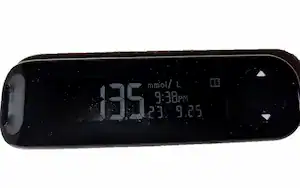
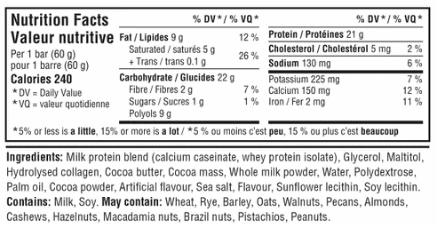
A while back, I was in a hurry and grabbed a protein bar with only 1g of sugar, assuming the sugar alcohol (polyol) would have a negligible impact. A short while later, I felt terrible, and when I checked my blood sugar, it was 13.5 mmol/L (243 mg/dL) —a staggering spike. That’s what led to the research for this new article, during which I discovered that little has been written about maltitol’s effect on blood glucose.
Effect of Sugar Alcohols on Blood Glucose and Insulin Response
While sugar alcohols range in sweetness from half as sweet as sugar (sucrose) to as sweet as sugar [2], and from 0 to 2.4 kcal/g compared to sugar’s 4 kcal/g [2], they vary considerably in blood glucose response, measured as Glycemic Index (GI), and insulin response measured as Insulin Index (II).
Glycemic Index (GI)
Glycemic Index (GI) ranks carbohydrate-containing foods on a scale of 0 to 100, based on how quickly they raise blood sugar, with pure glucose assigned a value of 100.
- High GI foods (70 or more) are rapidly digested and absorbed, causing a rapid and high spike in blood sugar. Foods in this category include watermelon (GI=76), white rice (GI=73), and cornflakes (GI 81)
- Medium GI foods (56-69) have a moderate effect on blood sugar levels, and some examples of medium GI foods are boiled sweet potato (GI=63), and sweet corn (GI=60).
- Low GI foods (less than 55) are digested and absorbed slowly, releasing glucose gradually into the bloodstream and causing a slower, smaller rise in blood sugar. Some examples of low GI foods are chickpeas (GI=28), steel-cut oats (GI=53-55), and apples (GI=39).
Note: The Glycemic Index of table sugar is 65-80, depending on the source [3].
Insulin Index (II)
The Insulin Index measures how much insulin the body releases in response to a food on a scale of 0 to 100, where pure glucose or white bread is used as the reference value of 100 [4].
The classification for the Insulin Index is based on the 2014 University of Sydney thesis by Kirstine Bell—a study I first covered in an article back in 2018—which breaks the body’s insulin response into three categories.
- High Insulin Index foods (60 or more) cause a sharp, significant release of insulin. This category includes white rice (II=79), banana (II=80), and even cheddar cheese (II=84).
- Medium Insulin Index foods (31–59) elicit a moderate release of insulin. This is where you find things like oatmeal (II=58), apples (II=59), and white spaghetti (II=40).
- Low Insulin Index foods (30 or less) trigger a minimal insulin release, such as eggs (II=31) and lentils (II=29)
Blood Sugar Response and Insulin Response of Sugar Alcohols
Both mannitol and erythritol have a low Glycemic Index and low Insulin Index, making them suitable for use by those with diabetes. This is less true for sorbitol and xylitol, and definitely not the case with maltitol.
Table sugar (sucrose) serves as the high-impact benchmark with which to compare the impact of sugar alcohols, including maltitol, and has a Glycemic Index of 69 and an Insulin Index of 48.
Maltitol has a Glycemic Index of 35, which is roughly half that of table sugar (sucrose) but significantly higher than any of the other common sugar alcohols, resulting in a notably higher impact on blood sugar. In addition, maltitol has an Insulin Index of 27, and while this falls within the ‘low’ range, it is significantly higher than other common sugar alcohols.
Sugar-Free Claims and Net Carb Calculations Can Be Misleading
Food products containing maltitol may be low in sugar (often only 1g), but can still cause significant spikes in both blood sugar and insulin—particularly in people with insulin resistance, prediabetes, or diabetes. These products may be labeled “sugar-free,” which can be misleading to those needing to control blood sugar.
Those following a low-carb or ‘keto’ diet often subtract sugar alcohols from total carbohydrates to calculate ‘net carbs.’ While this is appropriate for erythritol, which has a negligible impact on blood sugar, maltitol is different. Since maltitol is partially absorbed in the small intestine, it directly contributes to blood glucose levels. Subtracting 100% of the carbohydrate from maltitol would lead to underestimating the food’s actual metabolic impact.
Final Thoughts
Maltitol isn’t the only ingredient to look out for in sugar-free foods. Maltodextrin also significantly spikes blood sugar (see my November 2025 article). If you are managing your blood sugar, I strongly recommend reading food labels to limit both of these ingredients.
More Info
If you would like support lowering blood sugar associated with pre-diabetes or type 2 diabetes, I can help. Learn about me and the Comprehensive Dietary Package that I offer.
To your good health.
Joy
You can follow me on:
Twitter: https://twitter.com/jyerdile
Facebook: https://www.facebook.com/BetterByDesignNutrition/
References
- Ibrahim OO. Sugar alcohols: chemical structures, manufacturing, properties and applications. ECronicon Open Access. 2019;4:817–24. doi: 10.4172/2155-9600.C1.026.
- Msomi NZ, Erukainure OL, Islam MS. Suitability of sugar alcohols as antidiabetic supplements: A review. J Food Drug Anal. 2021 Mar 15;29(1):1-14. doi: 10.38212/2224-6614.3107. PMID: 35696228; PMCID: PMC9261844.
- Health Canada. List of Permitted Food Additives with Other Accepted Uses. Ottawa, ON: Health Canada; Updated 2023.
- Holt S, Brand-Miller J & Petocz P (1997). An insulin index of foods: the insulin demand generated by 1000-kJ portions of common foods. Am J Clin Nutr 66, 1264-1276.
- Bell K, University of Sydney, School of Molecular and Microbial Bioscience, Clinical Application of the Food Insulin Index to Diabetes Mellitus [Thesis], May 14, 2014. https://ses.library.usyd.edu.au/handle/2123/11945
- Erdile, J (2018), Some Carbs Are Better Than Others – Part 4 – the Insulin Index, https://bbdnutrition.com/2018/06/21/some-carbs-are-better-than-others-part-4-the-insulin-index/

Joy is a Registered Dietitian Nutritionist and owner of BetterByDesign Nutrition Ltd. She has a postgraduate degree in Human Nutrition, is a published mental health nutrition researcher, and has been supporting clients’ needs since 2008. Joy is licensed in BC, Alberta, and Ontario, and her areas of expertise range from routine health, chronic disease management, and digestive health to therapeutic diets. Joy is passionate about helping people feel better and believes that Nutrition is BetterByDesign©.