
Introduction
Governments around the world are beginning to relax lock-down measures put in place due to the COVID-19 pandemic. Many are looking forward to life ‘getting back to normal,’ but how soon will that happen? In British Columbia, we are expecting the restoration of some medically-related services under enhanced protocols starting in mid-May [1].
What can people expect when visiting a Dentist, Physiotherapist, or Dietitian? Because each profession requires a different level of physical contact, the necessary safety barriers will vary. As a Dietitian, my protocols focus on physical distancing, screening for symptoms, and rigorous sanitization between clients.
Clinical Protocols and Basic PPEs
To protect both my clients and myself during in-person assessments, there is a need for basic personal protective equipment (PPEs). This includes wearing masks and gloves when measuring weight or waist circumference and sanitizing equipment after every use.
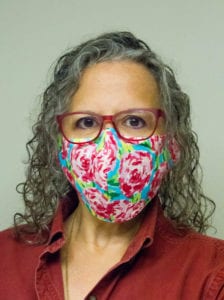
Practicing clinical safety with PPEs.
My office setup would require a clear plexiglass screen at my desk to allow for face-to-face interaction while providing a droplet barrier. These enhanced measures, while necessary, significantly reduce the number of clients I can see in a day due to the extensive decontamination time required between appointments.
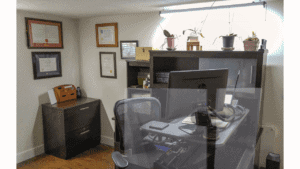
Illustration of a plexiglass protective barrier for clinical assessments.
The New Normal: Virtual Care
For practices that require physical touch, like massage therapy, there is no alternative. However, as a Registered Dietitian, I am fortunate to live in an era of secure video conferencing. I have provided Distance Consultations for over a decade. These virtual face-to-face visits are functionally indistinguishable from in-person services and are a highly efficient use of time.
During virtual appointments, we can comfortably talk and laugh without the restrictions of PPEs. Weights from home scales are adequate for my clinical needs, and I provide my clients with clear instructions for measuring waist circumference accurately at home.
The Challenge of Protective Immunity
Until a vaccine is available, enhanced protocols remain necessary. A report in The Lancet found that while 90% of hospitalized COVID-19 patients develop IgG antibodies, fewer than 10% of those with mild or asymptomatic cases develop specific protective antibodies [2]. This suggests that herd immunity via natural exposure is unlikely in the short term, making virtual care the safest option for the foreseeable future.
Final Thoughts
While we all want things to return to normal, we must accept the “new normal.” Secure video conferencing is ideal for Medical Nutrition Therapy, ensuring high-quality care without the risks or time-constraints of currently required clinical office protocols.
More Info?
Learn about me and the Comprehensive Dietary Package that I offer.
To your good health!
Joy
You can follow me on:
Twitter: https://twitter.com/jyerdile
Facebook: https://www.facebook.com/BetterByDesignNutrition/
References
- Government of British Columbia. BC’s Restart Plan. 2020. [https://www2.gov.bc.ca/gov/content/safety/emergency-preparedness-response-recovery/covid-19-provincial-support/bc-restart-plan]
- Altmann DM, Douek D, Boyton RJ. What policy makers need to know about COVID-19 protective immunity. The Lancet. 2020 May 30;395(10238):1527-1529. [https://doi.org/10.1016/S0140-6736(20)30985-5]
© 2025 BetterByDesign Nutrition Ltd.
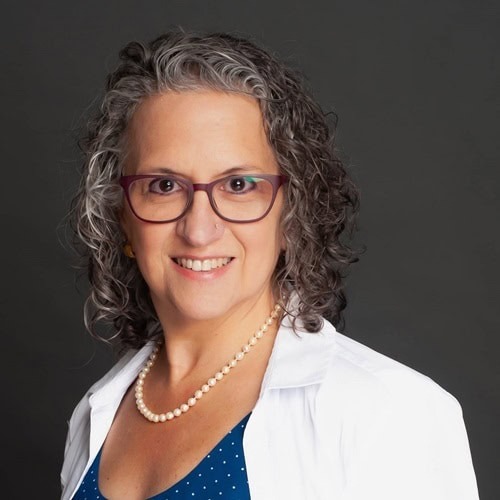
Joy is a Registered Dietitian Nutritionist and owner of BetterByDesign Nutrition Ltd. She has a postgraduate degree in Human Nutrition, is a published mental health nutrition researcher, and has been supporting clients’ needs since 2008. Joy is licensed in BC, Alberta, and Ontario, and her areas of expertise range from routine health, chronic disease management, and digestive health to therapeutic diets. Joy is passionate about helping people feel better and believes that Nutrition is BetterByDesign©.